

Women Farmers’ Liberation Movement Against Microfinance Exploitation
Chandanapokona is a rural village in Sri Lanka’s North Central Province, where agriculture is the primary livelihood. Farmers, especially women, engage in paddy cultivation, home gardening, and small-scale agro-based enterprises. However, due to economic liberalization, lack of state support, and climate vulnerabilities, many fell into debt traps set by predatory microfinance institutions. These companies imposed high-interest loans, exploitative repayment terms, and aggressive recovery practices, pushing many families—especially women—into severe financial distress. Under neoliberal development policies, traditional farming systems were undermined, forcing villagers to rely on credit for seeds, fertilizers, and household expenses. When harvests failed or prices dropped, women—who were often the primary borrowers—faced harassment, public shaming, and even threats of land seizures by loan collectors. Even after pawning their property and gold jewelry to pay off loans, the debts were not settled, and the pressure from lending companies became severe. There were instances where this even extended to sexual harassment.
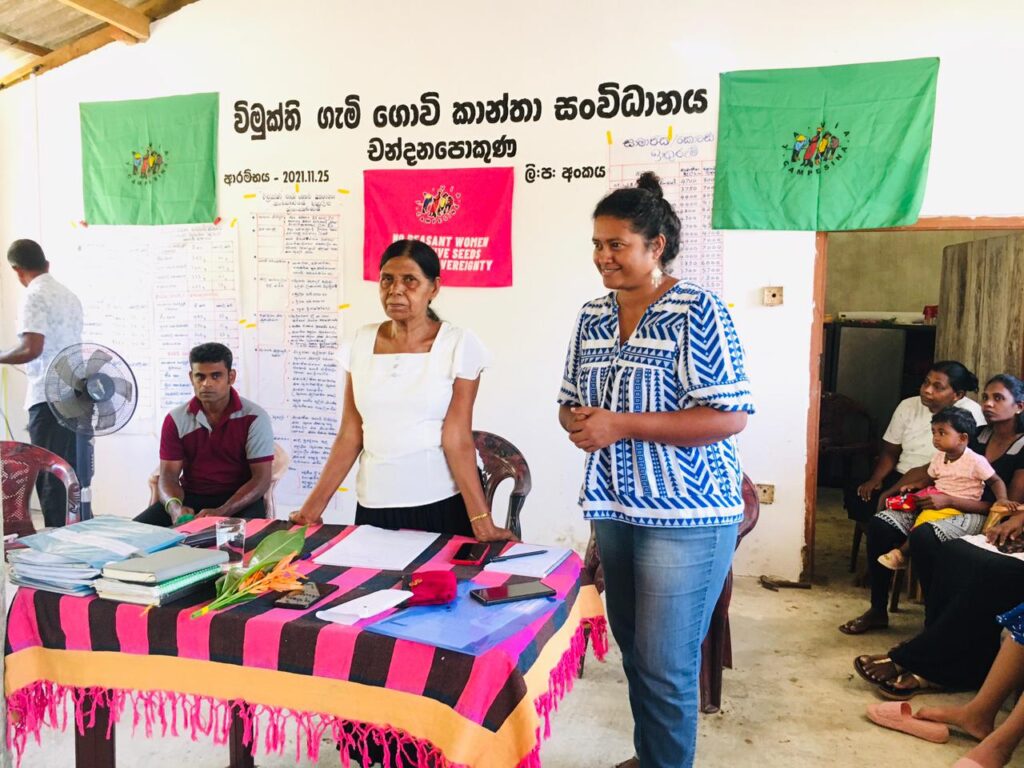
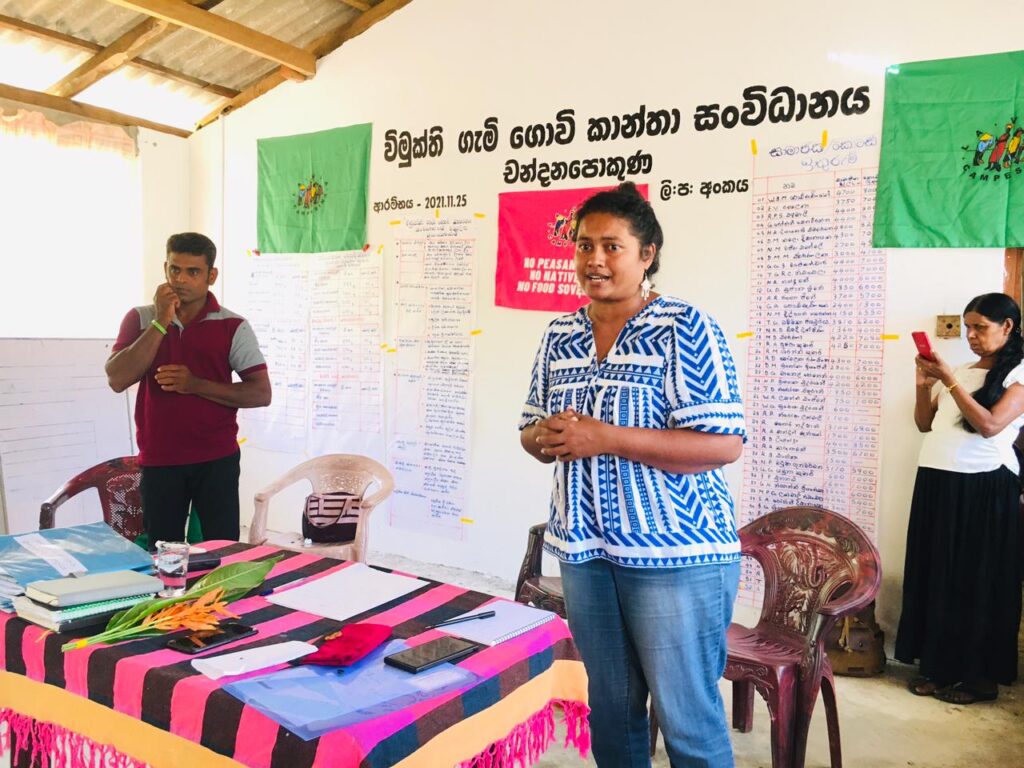
The Vimukti Peasant Women’s Collective was born as an Emancipatory movement against predatory Micro Finance System.
In 2019, women and men from Chandanapokona and nearby villages launched a 52-day continuous Satyagraha (peaceful protest) in Hingurakgoda, demanding:
- Debt relief for struggling borrowers.
- Regulation of microfinance companies to cap interest rates and stop coercive recovery methods.
- Government support for Agroecology instead of pushing debt-driven livelihoods.
People from 64 villages in the area, led by women facing this problem, participated in this. Additionally, people from various regions of Sri Lanka also joined by coming and sharing their experiences. Most recently, a massive protest movement led by these farming women was held against the Microfinance Act, which was designed by the government to favor creditors and benefit financial companies. The government was forced to withdraw this bill due to court proceedings. These protests, led largely by rural women farmers, gained national attention and pressured the government to introduce some reforms, though many demands remain unmet. The movement highlighted how microfinance, marketed as “women’s empowerment,” had instead deepened poverty and dependency.
The women’s Collective gained the ability to start an alternative economic program to escape the oppression they faced. This includes:
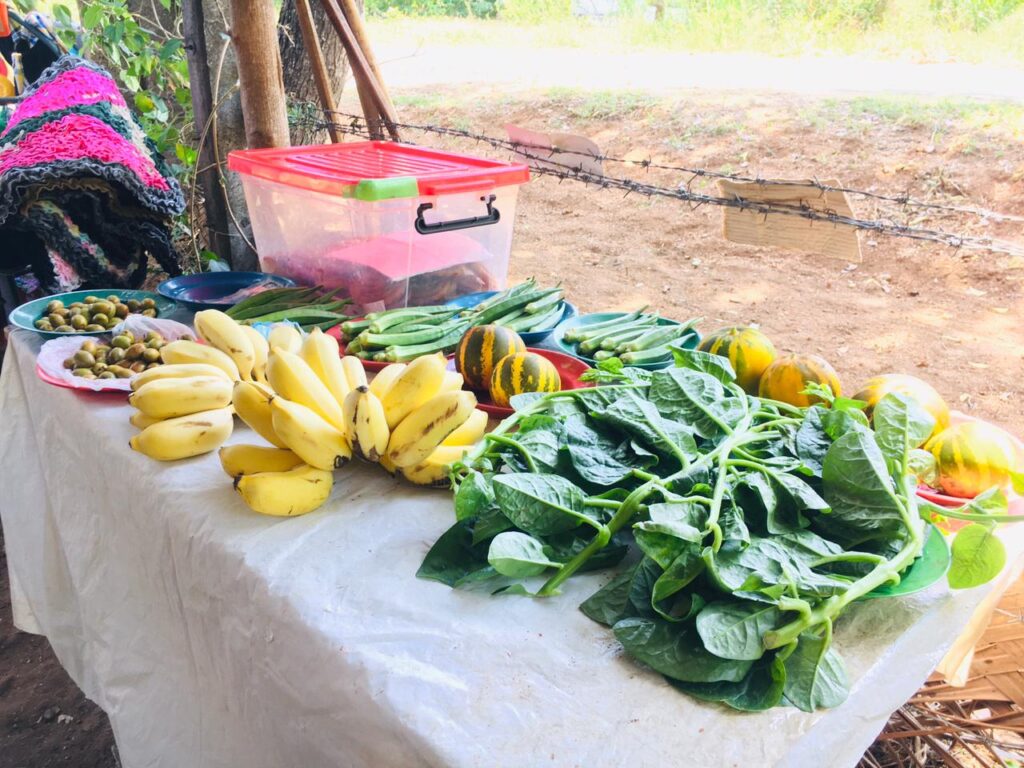
- Weekly Agroecology produce markets, contributing a portion of profits to the Collective’s funds
- Earning money by providing food for various programs as a group
- Implementing food Seettu
- Starting savings and alternative loan schemes
- Starting welfare systems and funds
- Starting loan security funds
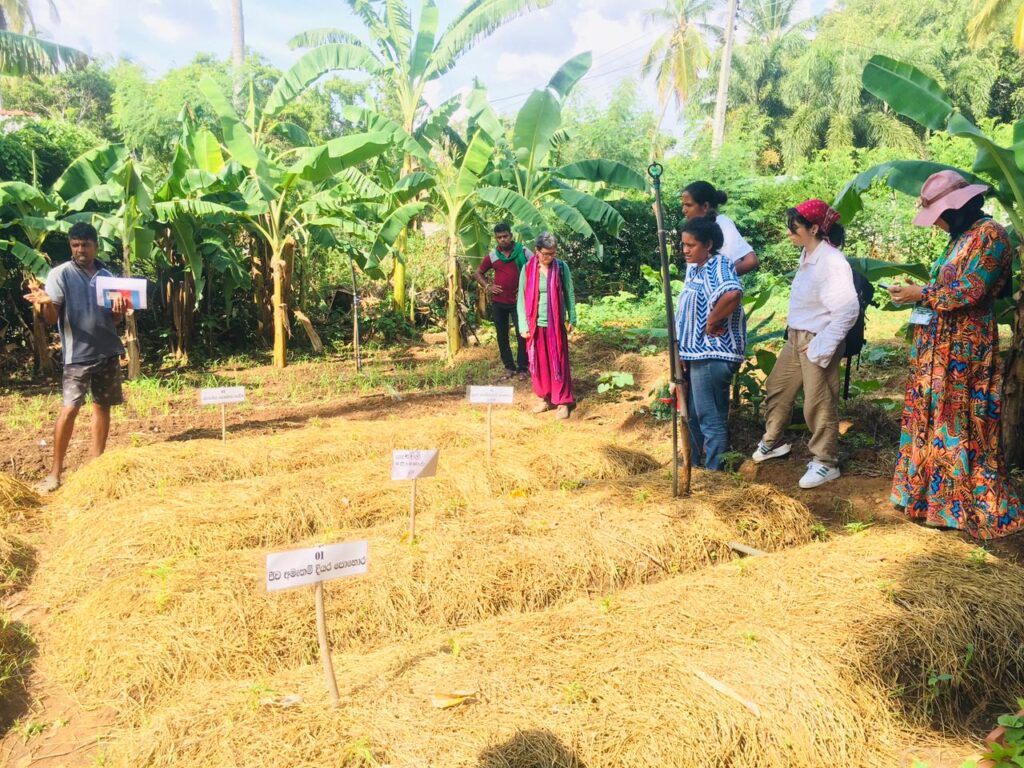
- Conducting peasant research on rice cultivation testing the productivity of Synthetic fertilizer vs Agroecology inputs
Visitors will get to :
- Engage in discussions with community elders and youth
Trip Details
- DATE : 12th of September 2025
- STARTING TIME : 6.30 AM
- DISTANCE FROM NICD: 140 km
- TRAVELLING TIME: 3 hours 15 minutes
- Maximum number of participants is 60
- Breakfast will be provided at NICD or hotel
- Lunch will be provided on the site, local food and fruits will be provided by the community.
What to bring
- The weather in Chandanapokuna is hot and humid, so wear comfortable clothes.
- September is the inter monsoon period, so rain showers may be in the evening, so prepare for it
Site Visit Experience
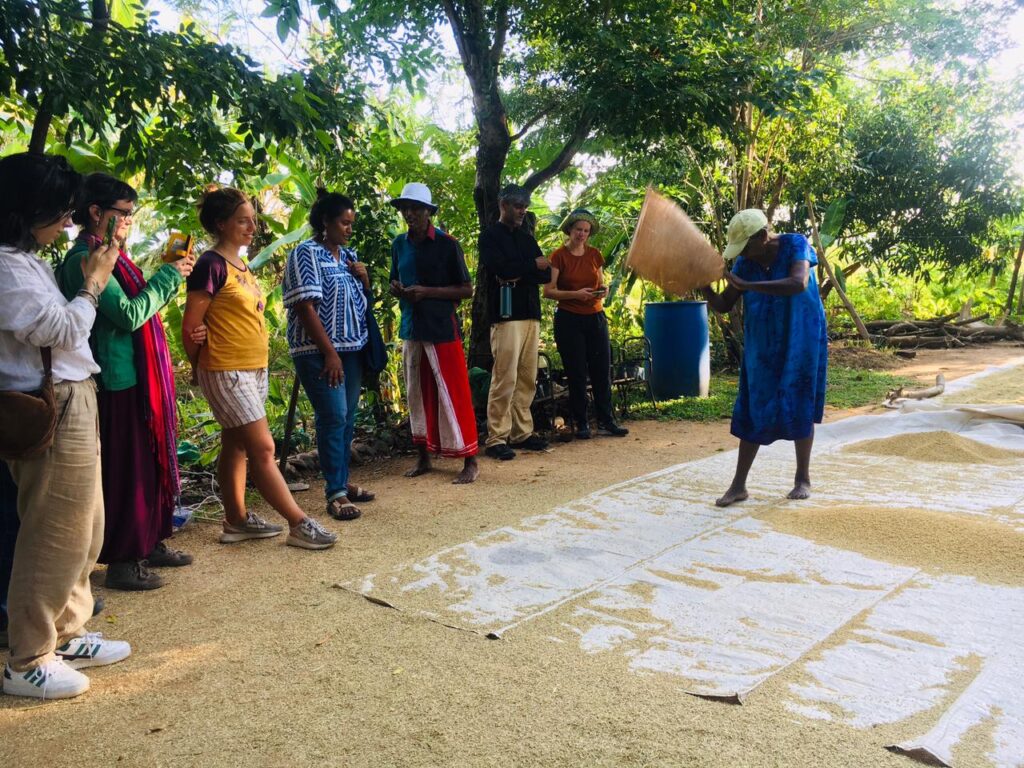
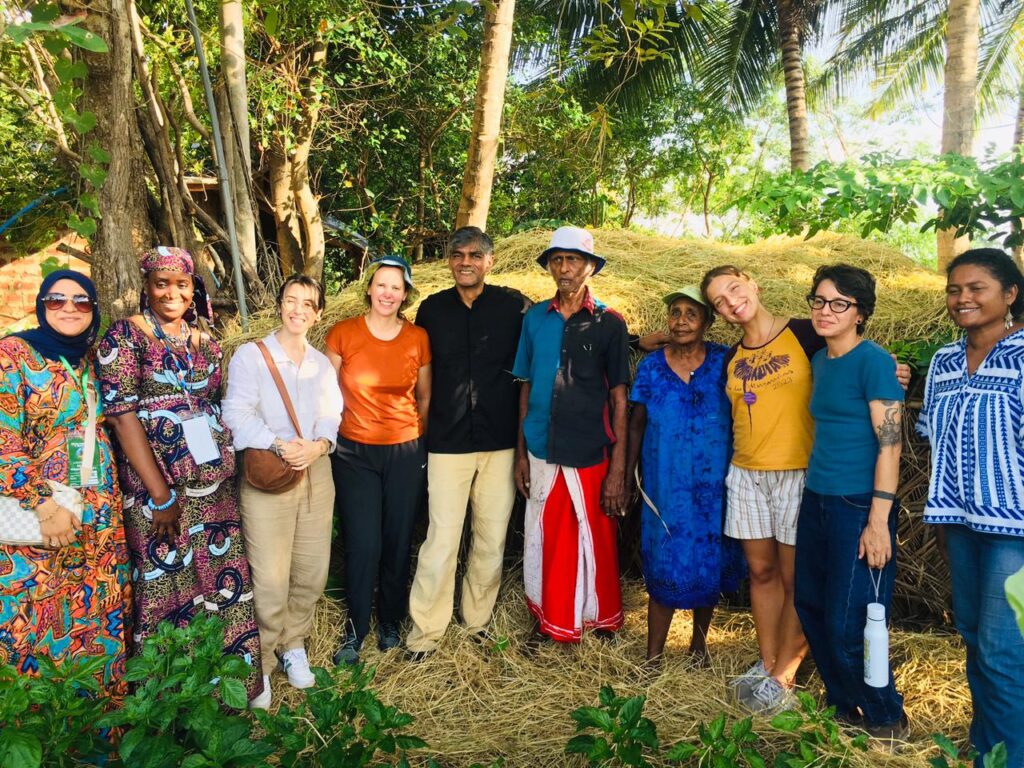
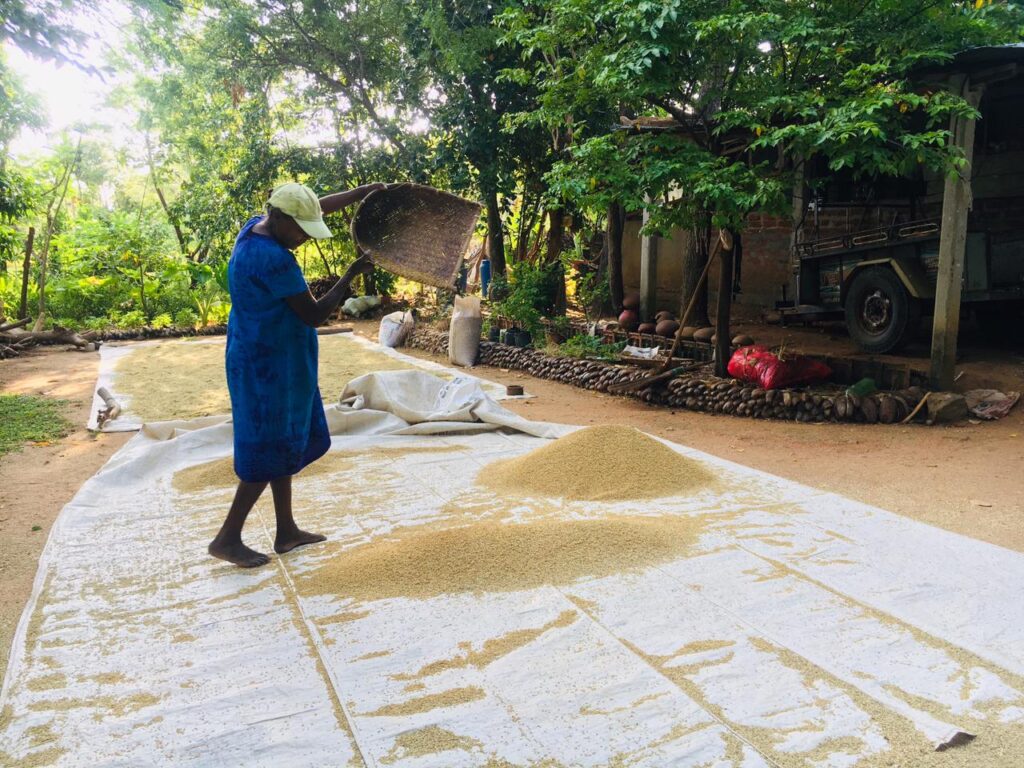
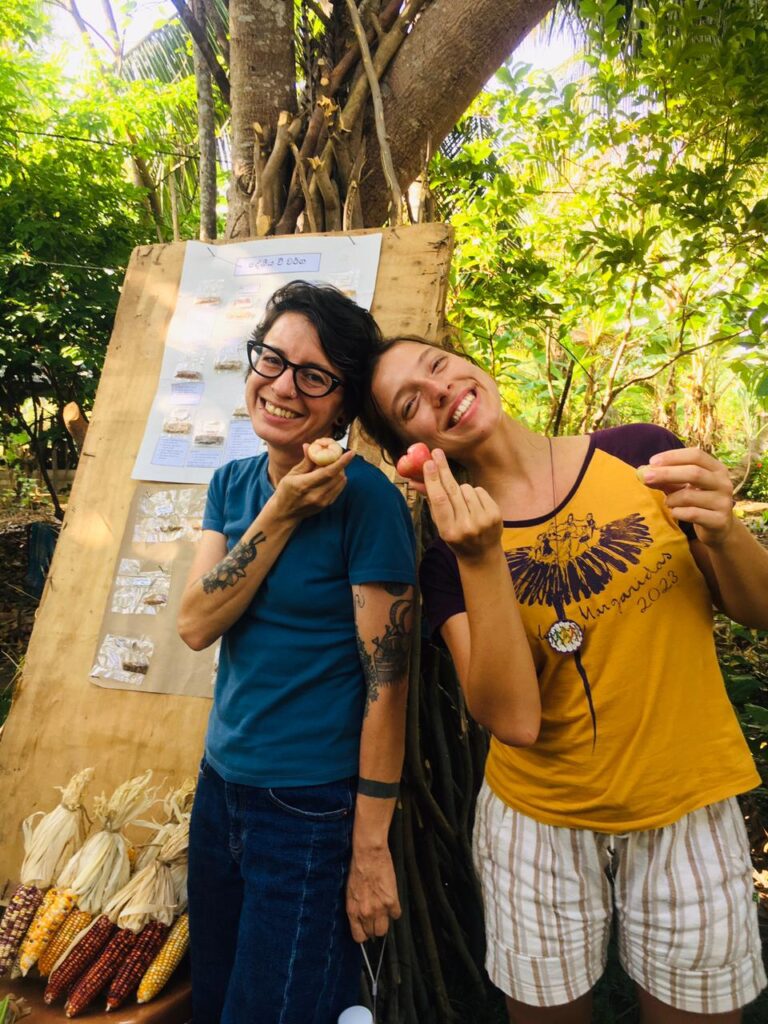
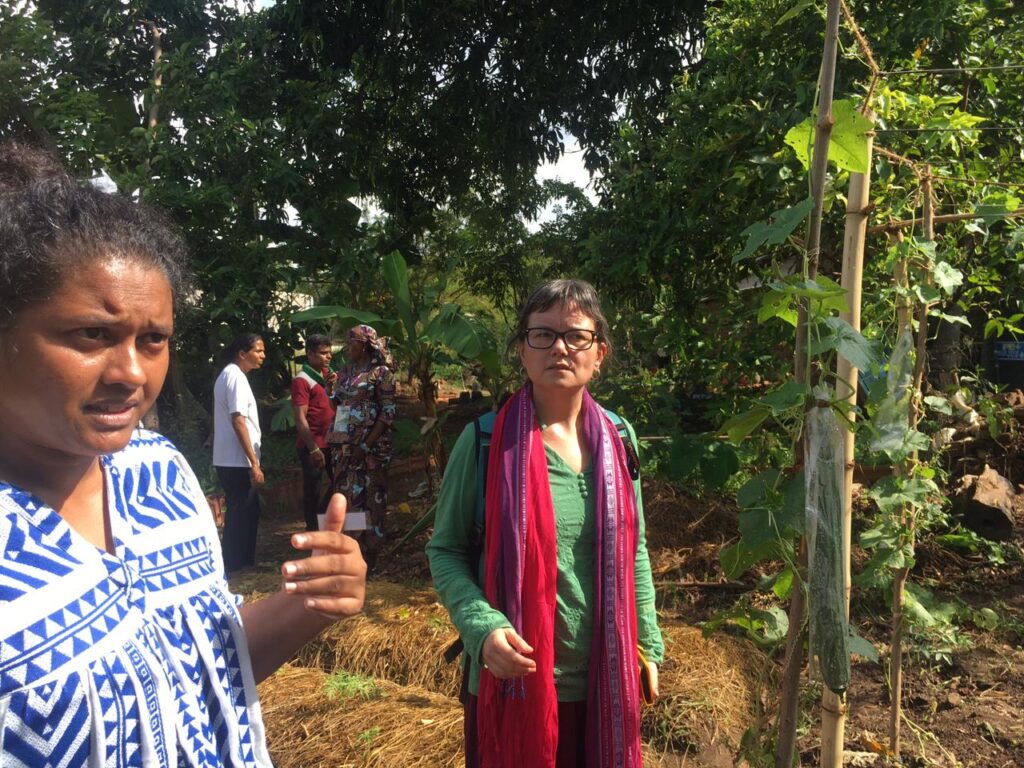
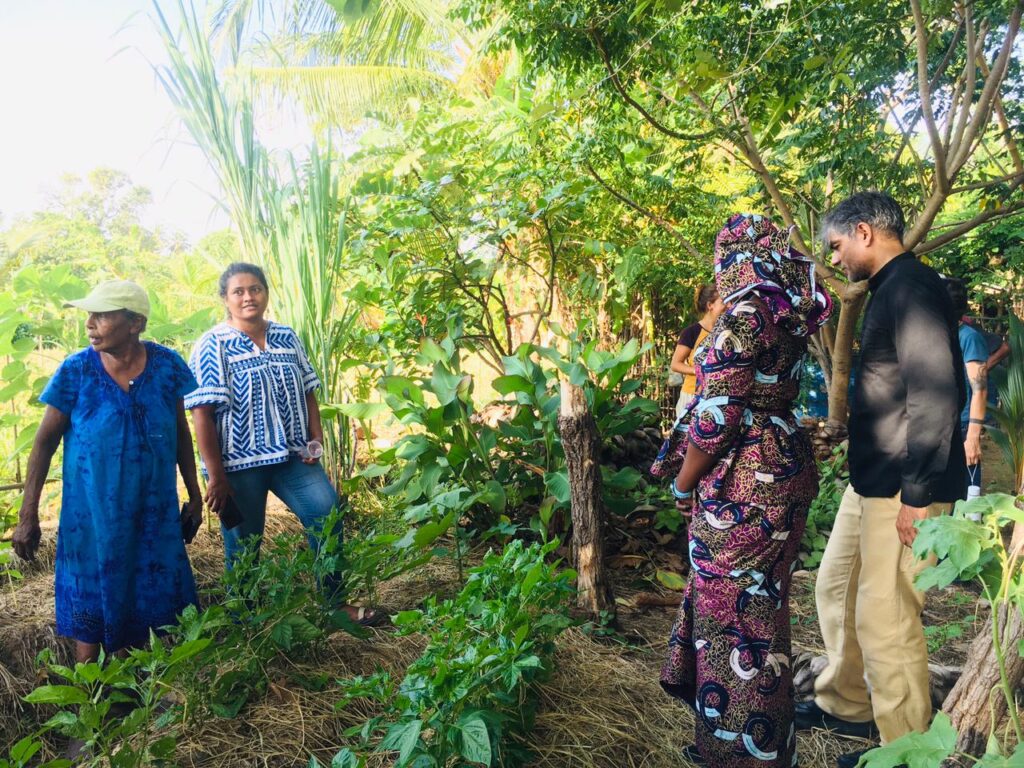
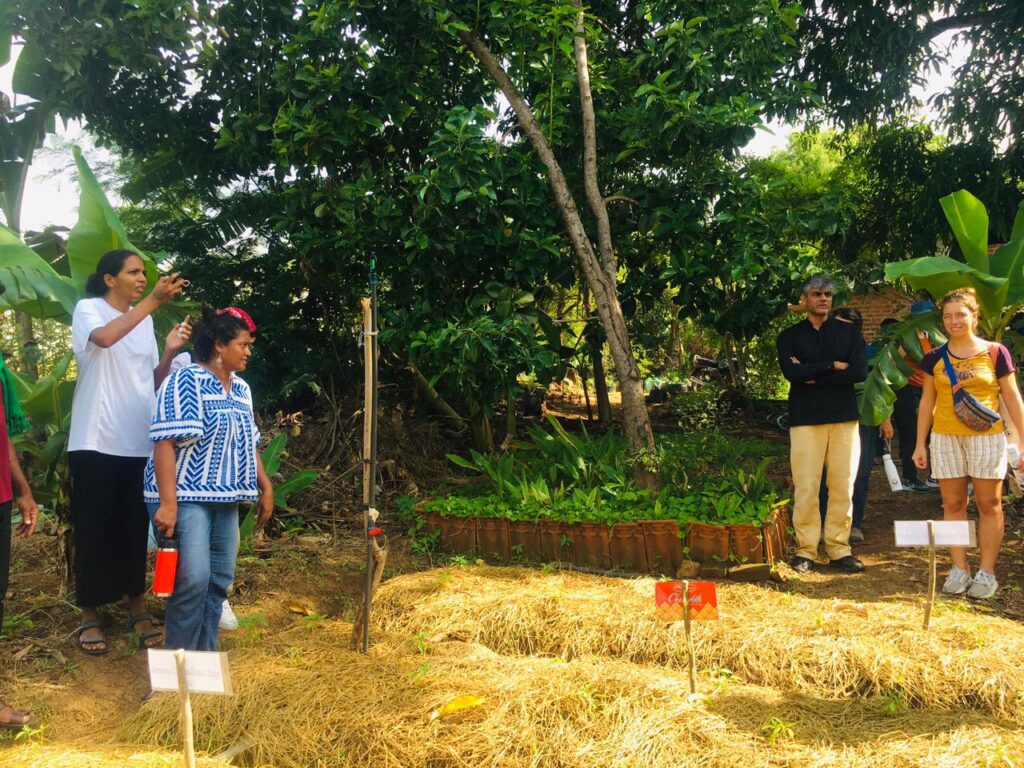
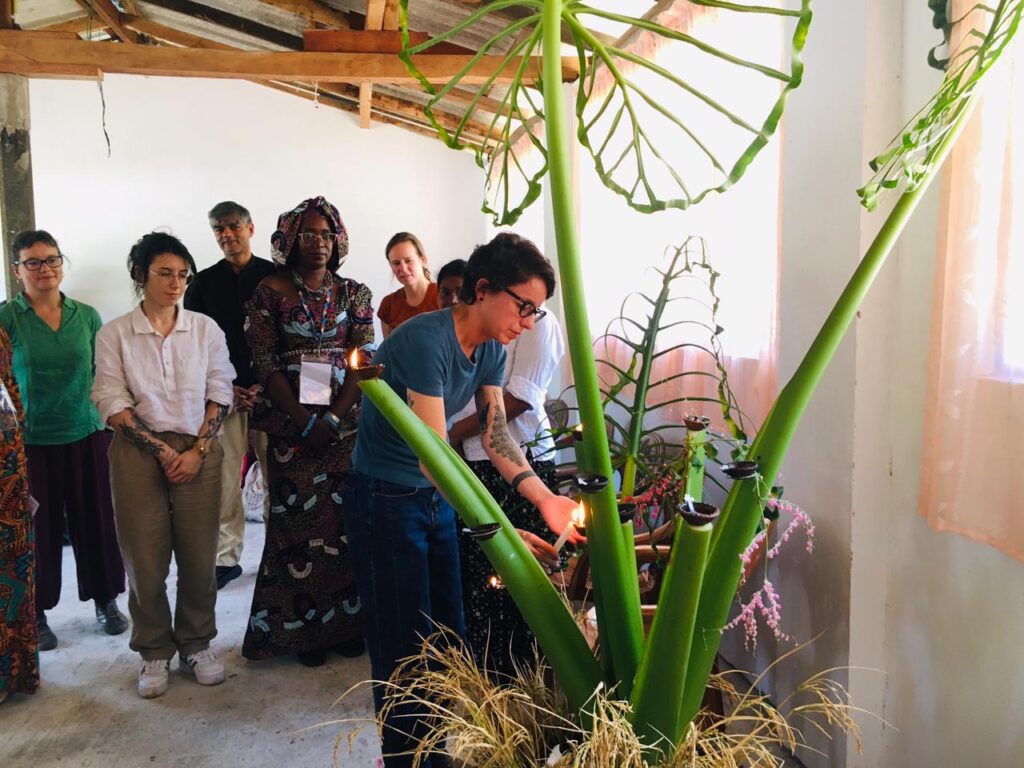
The Chandana Pokuna field visit was conducted with a total of 12 participants under the coordination of Ms. Amali. The visit was supported by 1 volunteer, 1 interpreter who facilitated communication, and 2 media personnel who took photos and videos of the activities.
















Discover the Details of the next destination
Get detailed insights about the site visit planned during the Global Forum event and prepare for an enriching experience.