
Eastern United Women’s Peasant Food Value Chain and Agroecology Models
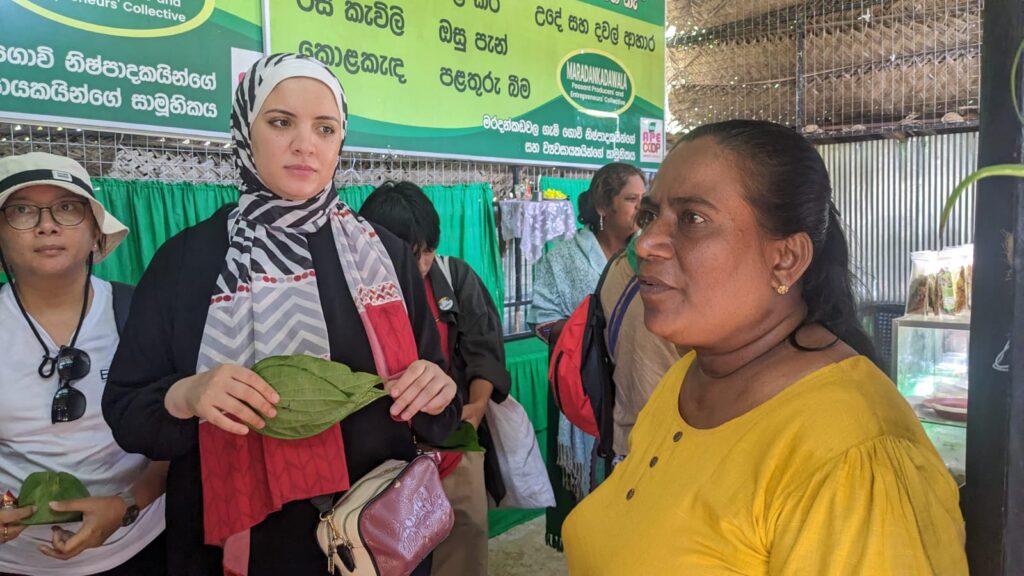
Maradankadawala Peasant Women-led Agroecology food value chain challenges mainstream economic paradigms in the vicinity by prioritizing sustainability, equity, and community resilience over profit maximization. The initiative, often scrutinized for being “unproductive” by conventional metrics by the locality, subverts patriarchal and capitalist structures by centering peasant women’s labor, knowledge, and collective decision-making. The food value chain is carefully curated by four Agroecology Peasant Producer Societies in Koomarikawala, Koon Wewa, Thalaththewa and Midiwatte. This demonstrates how decentralized, small-scale production can resist corporate food monopolies and exploitative marketing. By bypassing predatory intermediaries in an Agriculture industry district like Anuradhapura, their food value chain ensures fairer prices for Peasant Producers and healthier food for communities, fostering Food Sovereignty.
The collective has their own community credit and savings systems, conducts Peasant to Peasant training on Agroecology, Share and Exchange seeds. Agroecology Based Alternative Economic Models like this strengthens solidarity economies by redistributing financial power locally, prioritize collective well-being by pooling resources, Women peasants mitigate risks, invest in Agroecological practices, and weaken dependence on extractive financial systems, proving that economic justice is possible outside Neoliberal Frameworks.
MONLAR is developing an Agroecology Model at Livestock Breeding Farm and Practical Training Centre, Thirappane. This goes under the jurisdiction of the Department of Animal Production and Health, Anuradhapura. Collaborating with government institutions as such is crucial to scaling up Agroecology, as policy support can secure funding for Peasant lead Agroecology initiatives, infrastructure, and legitimacy. With the model, we aim to integrate Agroecology with poultry and livestock systems building evidences for policy support that promote Regenerative grazing, organic feed, and decentralized value chains. Collaborating with the government on peasant training programs helps us to integrate Agroecology and livestock management, equipping peasants with holistic skills, boosting resilience and self-sufficiency while dismantling dependency on corporate inputs.
Visitors will get to :
- Engage in discussions with community elders and youth
Trip Details
- DATE : 12th of September 2025
- STARTING TIME : 6.30 AM
- DISTANCE FROM NICD: 115 km
- TRAVELLING TIME: 3 hours
- Maximum number of participants is 60
- Breakfast will be provided at NICD or hotel
- Lunch will be provided on the site, local food and fruits will be provided by the community.
What to bring
- The weather in Maradankadawala is hot and humid, so wear comfortable clothes.
- September is the inter monsoon period, so rain showers may be in the evening, so prepare for it
Site Visit Experience
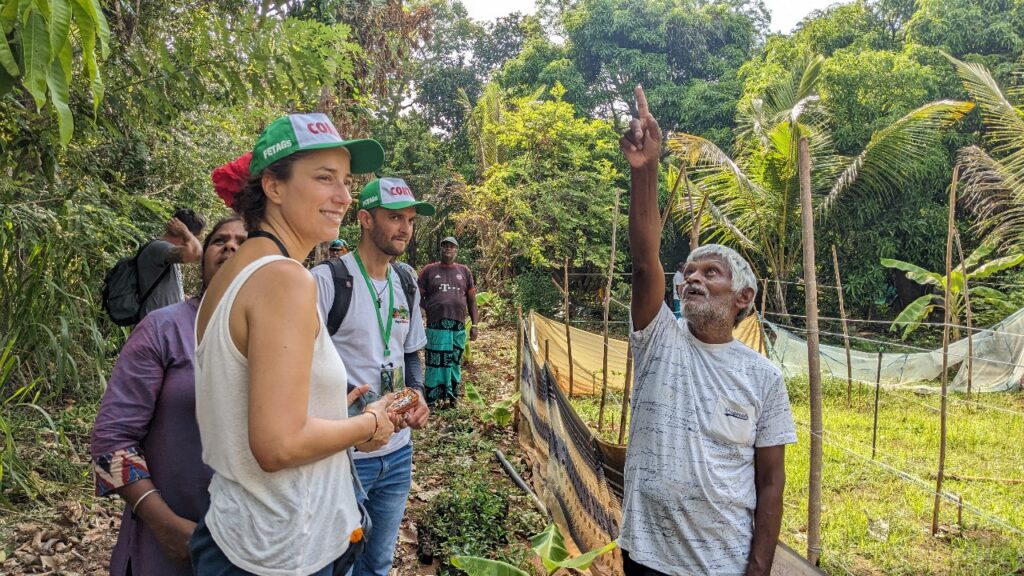
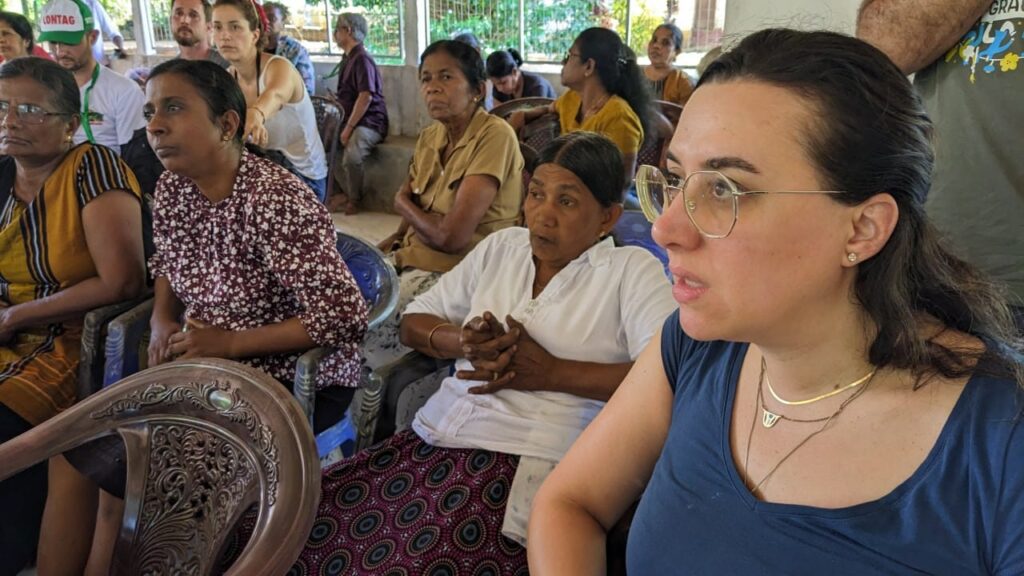
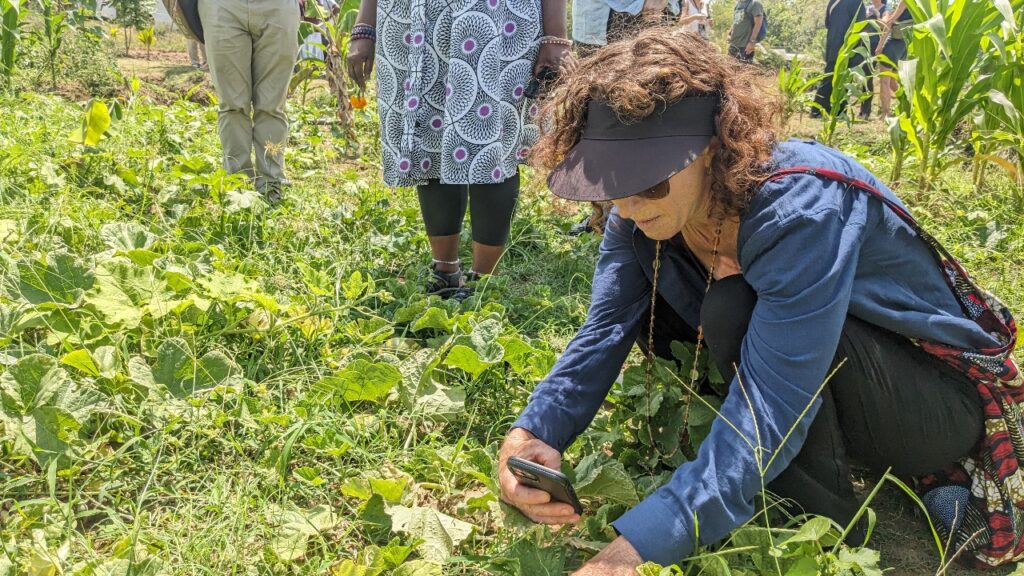
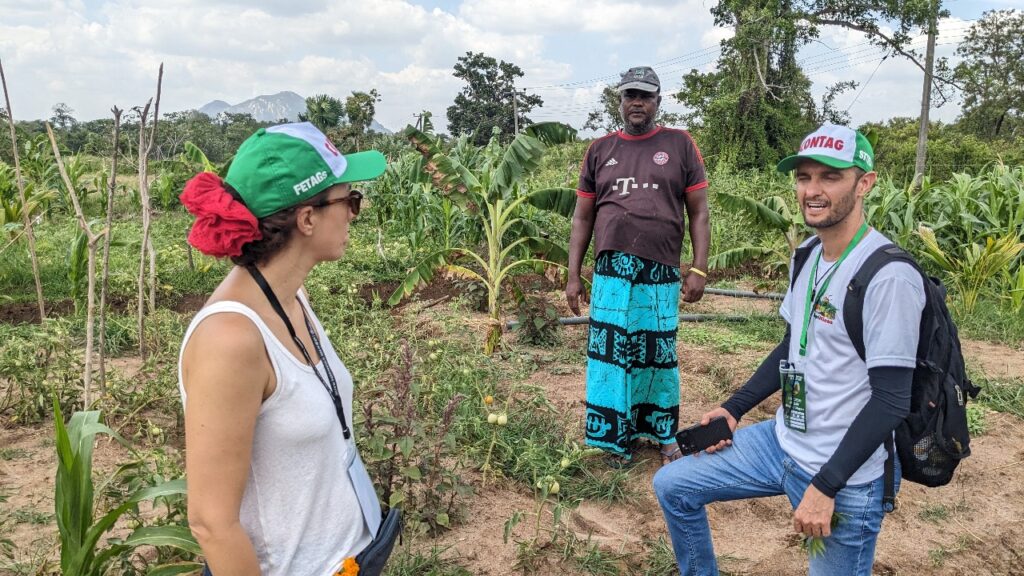
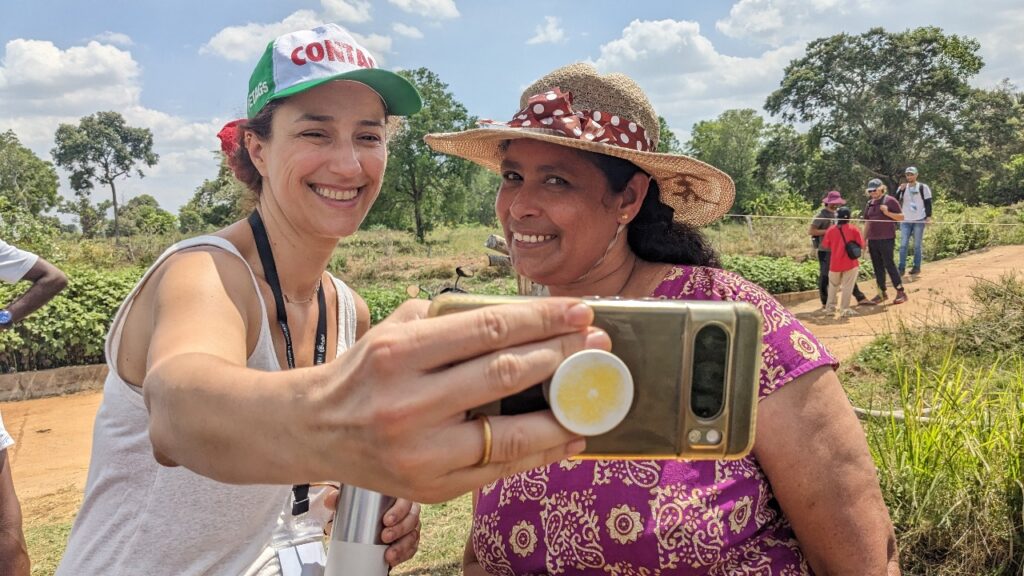
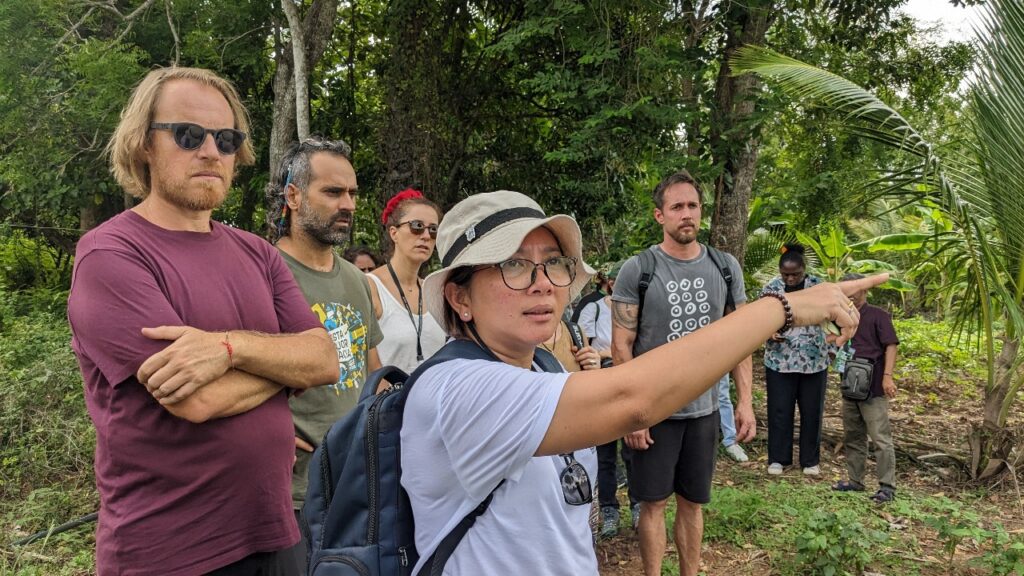
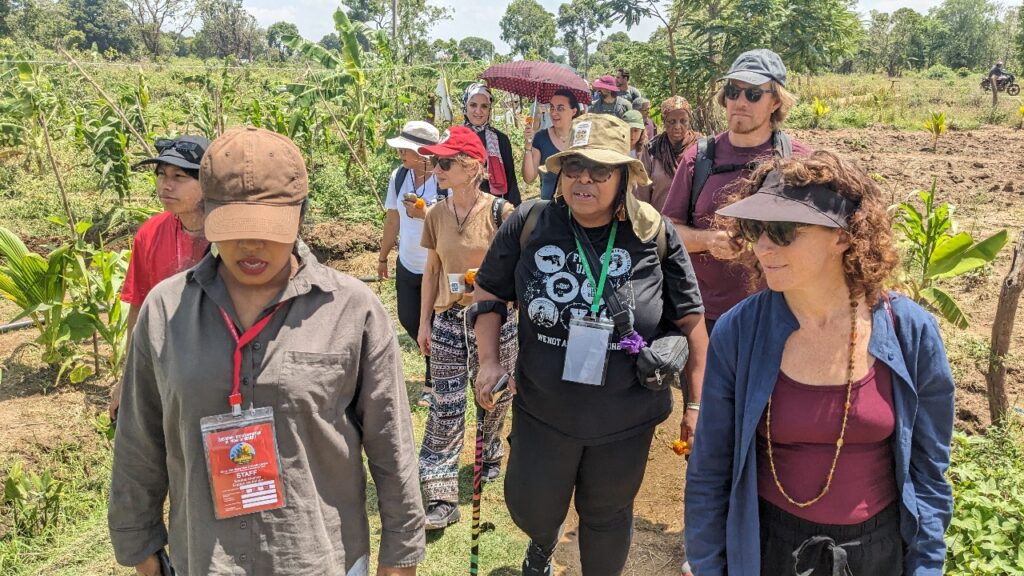
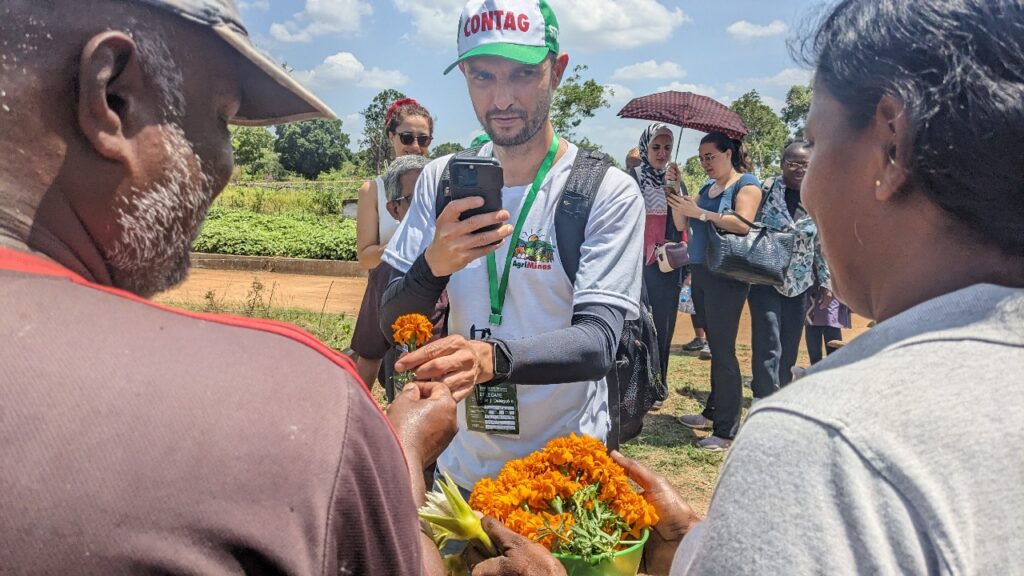
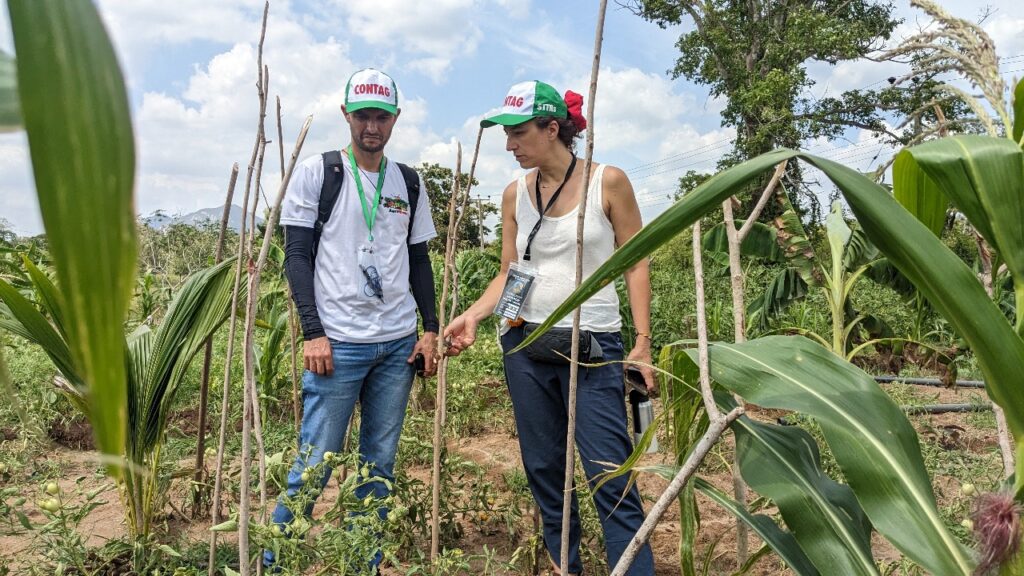
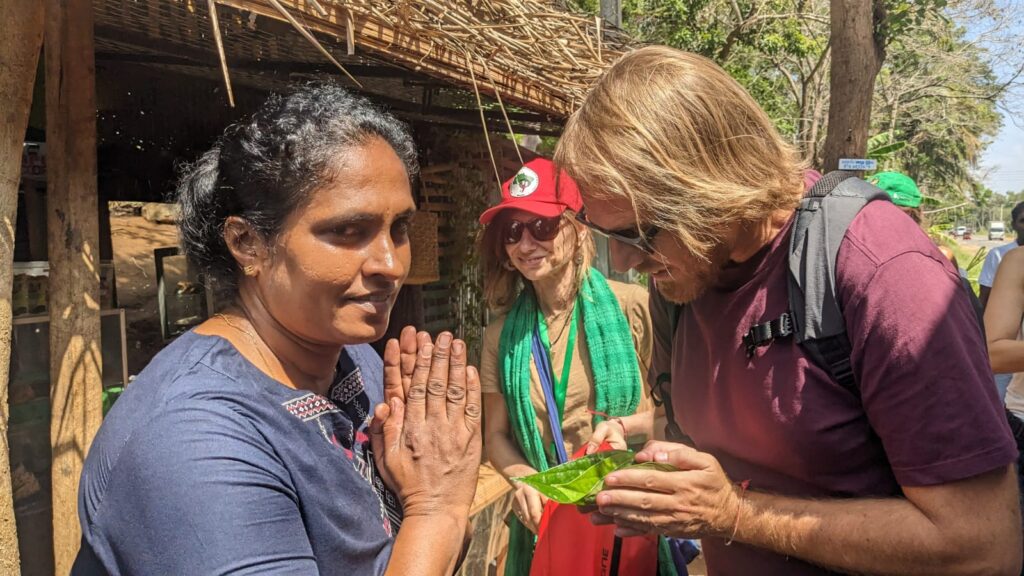
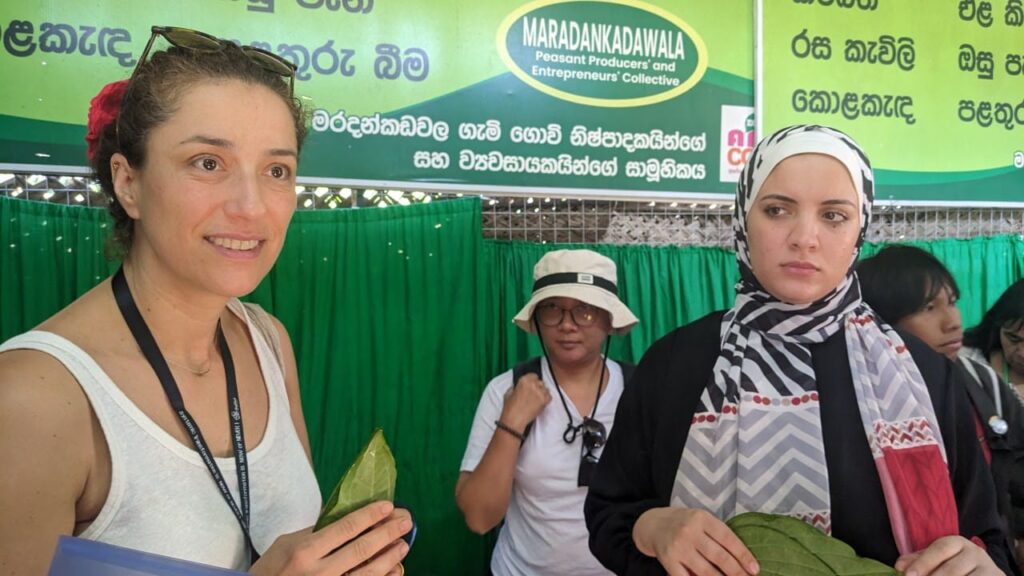
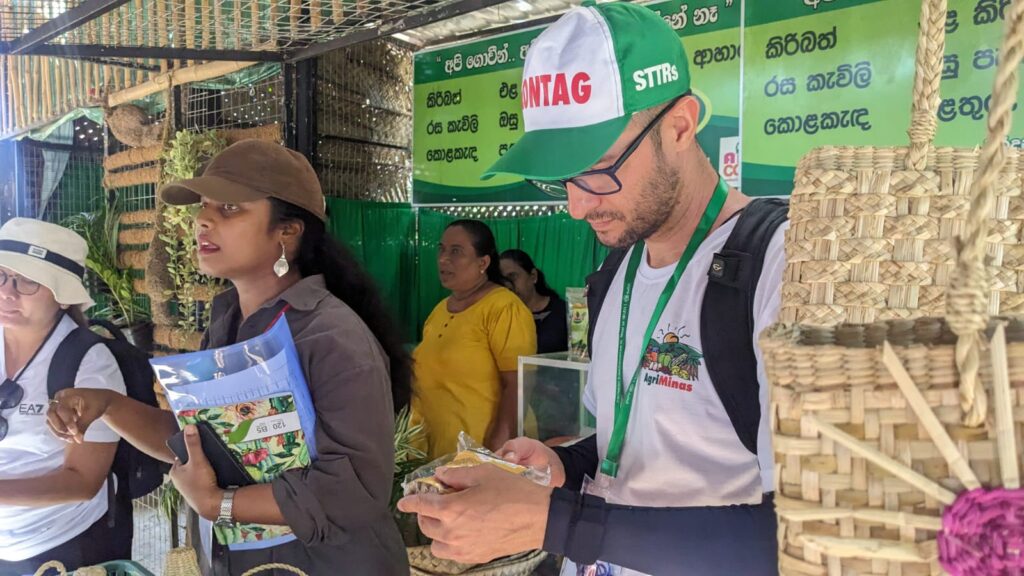
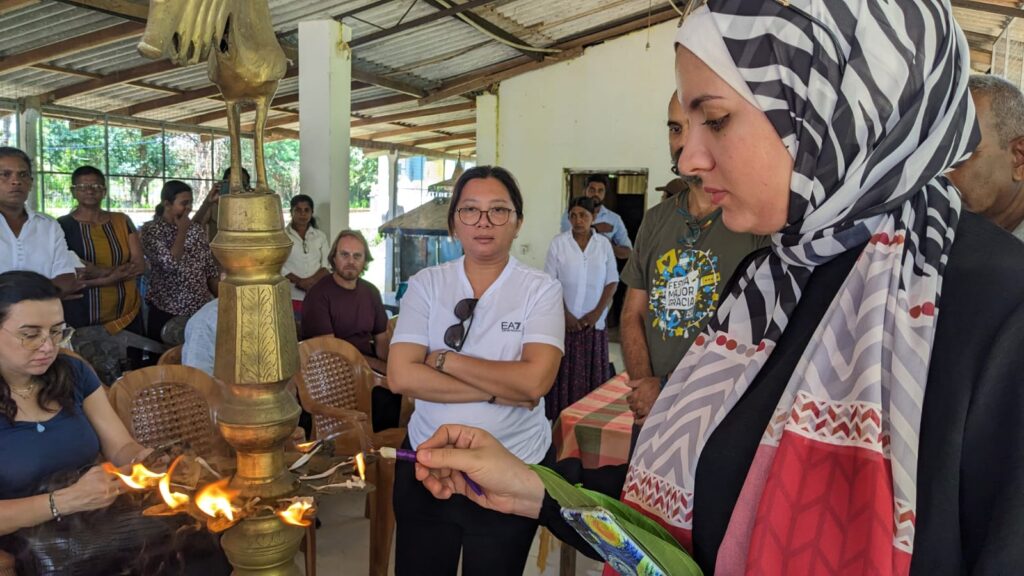
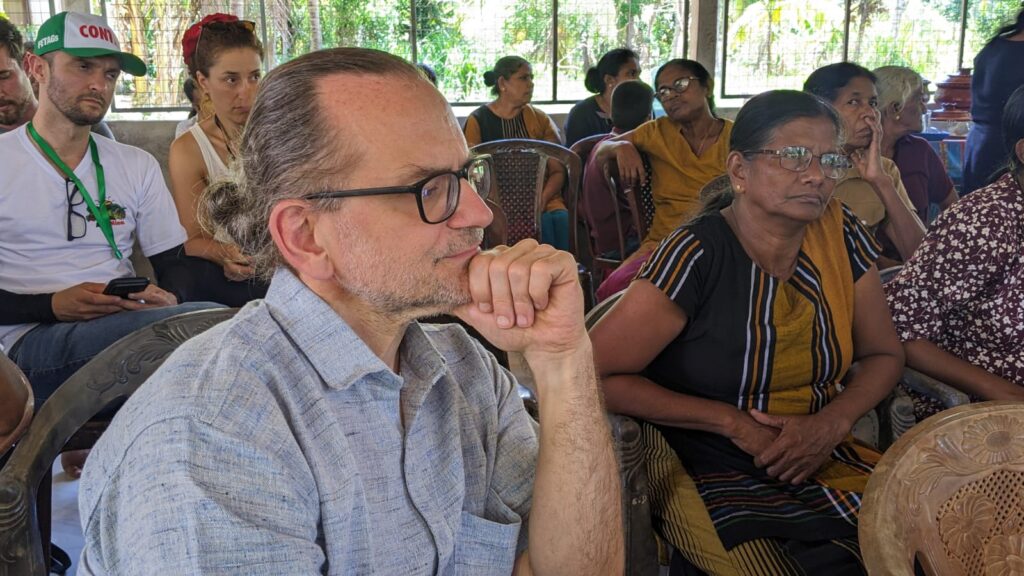
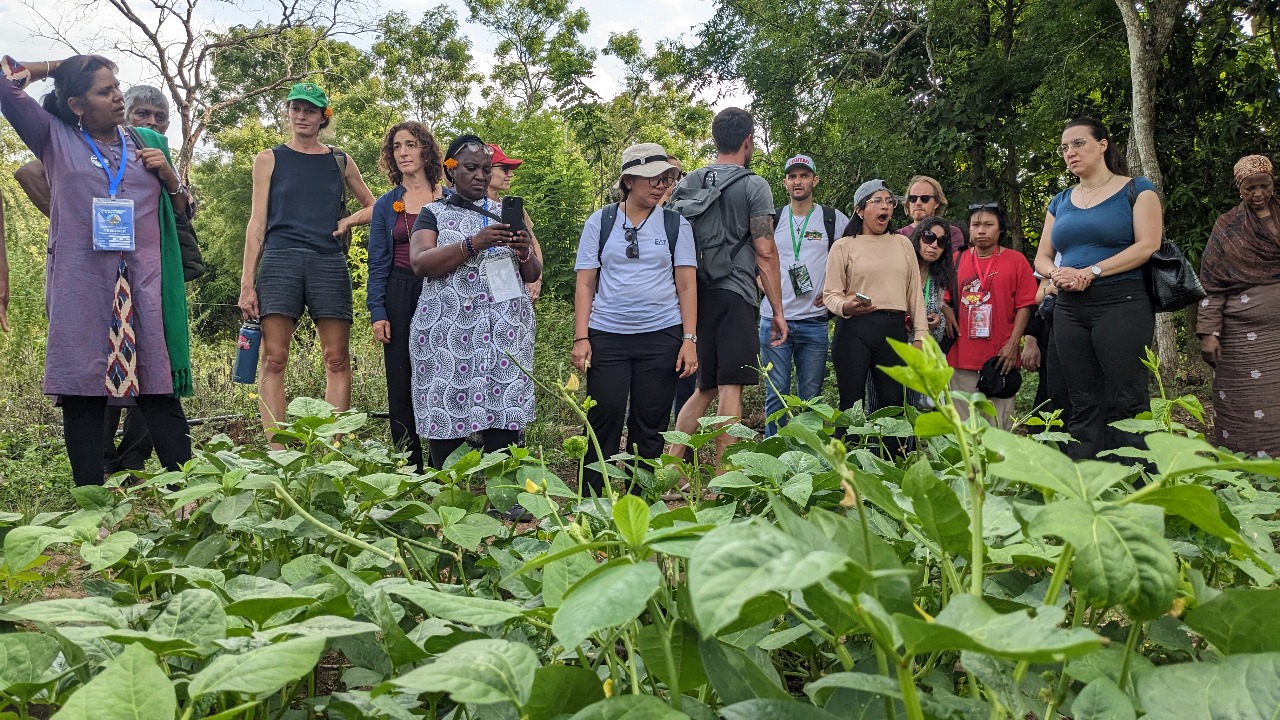
The Maradankadawala field visit was successfully conducted with a total of 30 participants, including the Coordinator, Ms. Maheshi. The team was supported by 2 volunteers, 3 interpreters, and 2 media personnel, ensuring smooth coordination, effective communication of the visit.
Discover the Details of the next destination
Get detailed insights about the site visit planned during the Global Forum event and prepare for an enriching experience.